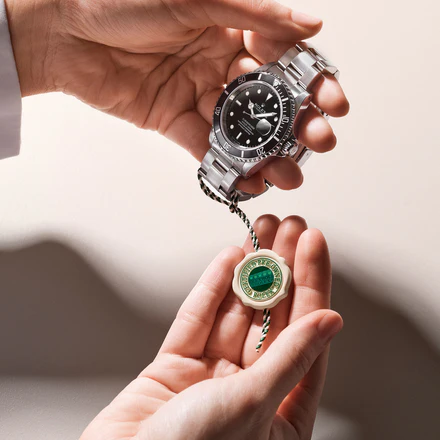
Timeless Craft: The Heart, Art, and History of Each Watch
Watches are more than simply timepieces; they are representations of human intellect, artistic expression, and workmanship. Watches have evolved throughout the ages from basic timepieces to elaborate works of art that are worn on the wrist, carried in pockets, and treasured for many generations. Watches have a special position in our lives and society, whether they are mechanical or computerized, expensive or commonplace.
We examine the fascinating world of timepieces in this in-depth blog post, where elegance and engineering collide and each ticking second tells a tale.
The Evolution of Watches: A Journey Through Time
The history of watches is a fascinating timeline of innovation. It began with early timekeeping devices like sundials and water clocks, eventually leading to mechanical clocks in the 14th century. Portable watches emerged in the 1500s when clockmakers miniaturized mechanisms to fit inside small, hand-carved cases.
Pocket Watches: The First Wearable Timepiece
By the 17th century, pocket watches became a symbol of wealth and sophistication. These beautifully engraved pieces were often passed down as family heirlooms. Although large and sometimes inaccurate, they marked the beginning of personal timekeeping.
The Rise of the Wristwatch
Originally considered feminine accessories, wristwatches gained popularity among men during World War I. Soldiers preferred them for their practicality, and soon after, wristwatches became the dominant form of everyday timekeeping. This shift set the stage for the modern watch industry we know today.
The Art of Mechanical Movements
A mechanical watch is more than a device it’s a miniature engine of precision. Composed of dozens or even hundreds of tiny gears, springs, and jewels, these watches operate without batteries, relying instead on careful engineering and human craftsmanship.
Manual Movement
A manual movement requires the wearer to wind the watch regularly. The ritual of winding brings a personal connectionlike breathing life into the timepiece.
Automatic Movement
Automatic watches wind themselves using a rotating weight that responds to your wrist’s movement. They combine the practicality of modern technology with the tradition of mechanical watchmaking.
Why People Still Love Mechanical Watches
In an age dominated by digital convenience, mechanical watches remain valued for:
- Their artistry
- Their engineering brilliance
- Their longevity (often lasting decades)
- Their emotional and collectible appeal
Each tick represents the work of master craftsmen dedicated to maintaining the beauty of mechanical precision.
Quartz Watches: Accuracy Meets Affordability
Quartz technology, introduced in the 1960s, revolutionized the watch world. These watches use a battery-powered quartz crystal that vibrates at a consistent frequency, making them incredibly accurate and reliable.
They are often more affordable, require minimal maintenance, and come in a wide range of styles. Quartz watches made timekeeping accessible to everyone while still allowing room for fashion, design, and creativity.
Smartwatches: The Modern Evolution
In recent years, smartwatches have become popular companions for tech-savvy individuals. Beyond telling time, they:
- Track fitness and health metrics
- Receive notifications and messages
- Play music
- Monitor sleep and heart rate
- Connect seamlessly with smartphones
While some traditionalists see smartwatches as rivals to mechanical timepieces, others view them as complementary modern tools living alongside timeless craftsmanship.
The Beauty of Watch Design
A watch is a wearable piece of art. Designers carefully consider materials, shapes, textures, and colors to create something that feels both functional and expressive.
Common Watch Styles
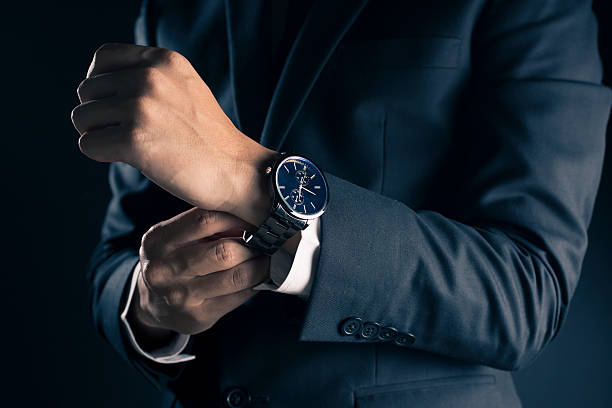
- Dress Watches: Slim, elegant, perfect for formal occasions
- Sport Watches: Rugged, durable, often with water resistance
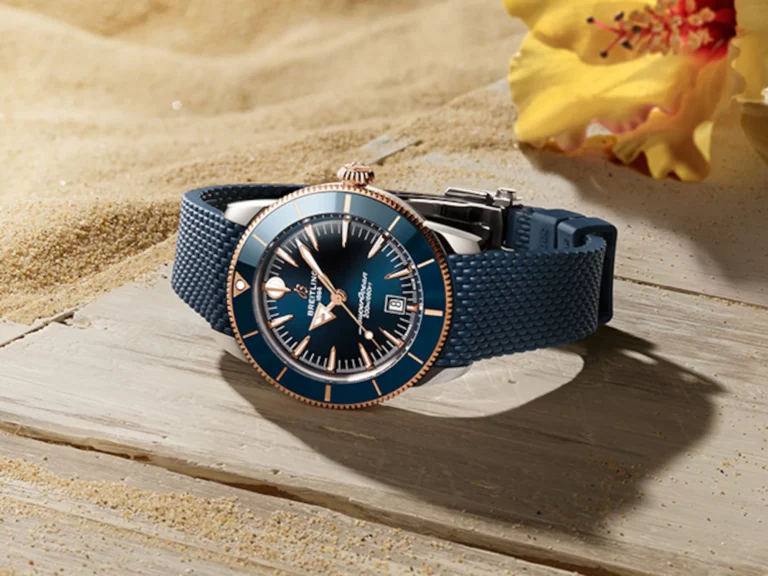
- Diving Watches: Built for underwater use, featuring rotating bezels and luminous markers
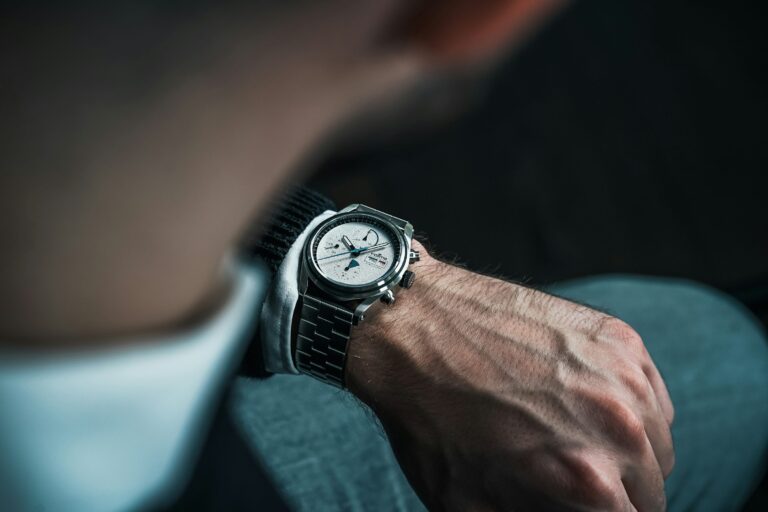
- Chronographs: Equipped with stopwatch functions, adding both utility and aesthetic appeal
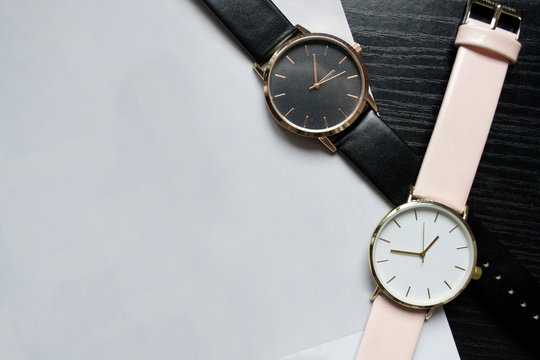
- Minimalist Watches: Sleek and modern, focusing on simplicity
Every watch style carries personality, helping the wearer express who they are confident, adventurous, refined, tech-driven, or classic.
Why Watches Matter: More Than Just Time
Watches hold sentimental and cultural significance. They are often gifted during milestones graduations, birthdays, anniversaries, and professional achievements. Many people cherish watches not only for their function but for the memories attached to them.
Symbolism and Legacy
A fine watch can last a lifetime and be passed down across generations. It becomes a bridge between past and present, carrying stories that outlast the original owner.
A Reflection of Personal Identity
Choosing a watch is deeply personal. Whether it’s a bold sports watch, a minimalist piece, or a luxury heirloom, your watch tells others something about you without saying a word.
A Celebration of Craftsmanship
For collectors and enthusiasts, watches represent dedication, artistry, and mechanical innovation. Each piece is a tribute to human creativity and precision.
The Future of Timekeeping
The watch industry continues to evolve. We see advancements in materials like ceramic, titanium, and sapphire as well as hybrid models blending analog elegance with smart functionality. Sustainable watchmaking is also rising, with brands using eco-friendly materials and ethical production methods.
Even as technology advances, the timelessness of watches ensures they remain beloved, whether worn for style, function, or sentiment.
Final Thoughts
Watches are extraordinary not because they tell time, but because they tell stories. They remind us of where we’ve been, who we are, and the moments that shape our lives. From classic mechanical masterpieces to cutting-edge smartwatches, each type brings its own charm and significance.
In every tick and every turn of the hands, a watch carries history, craftsmanship, and heart. And that is what makes them timeless.