
Beyond the Ticking Hands: How Time and Identity Are Captured by Watches
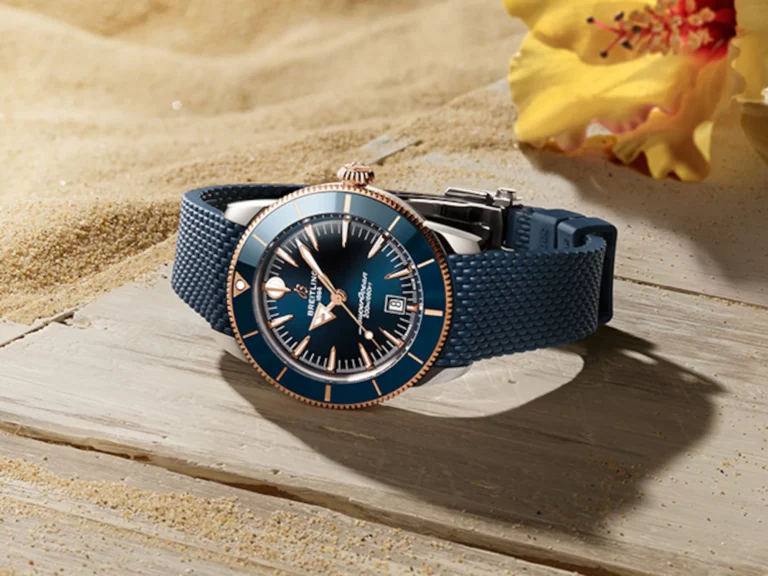
Unstoppable and invisible, time eludes us like sand. We make an effort to control, quantify, and maximize it. And in the process, humanity produced a tiny, exquisite item to aid in our tracking: the watch. However, a watch is much more than just a measuring device; it is a reflection of our personalities, a constant companion in life, and a reminder that every second counts.
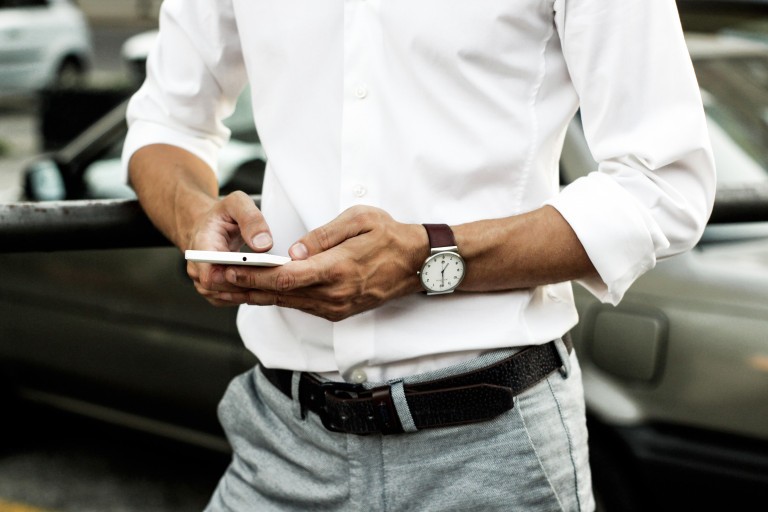
There’s a certain intimacy in wearing a watch. It rests on your wrist, feeling the rhythm of your pulse, syncing silently with the movement of your day. Unlike the cold, impersonal glow of a digital screen, a watch feels alive. It doesn’t just show you time it becomes a part of your time.
From the earliest pocket watches of the 16th century to the sleek modern designs we see today, the evolution of the watch has always been tied to human aspiration. Back then, owning a timepiece was a symbol of progress and prestige. It reflected craftsmanship, intellect, and refinement. Today, though the world moves faster and digital clocks are everywhere, watches remain deeply personal. They have transformed from necessity to expression from utility to art.
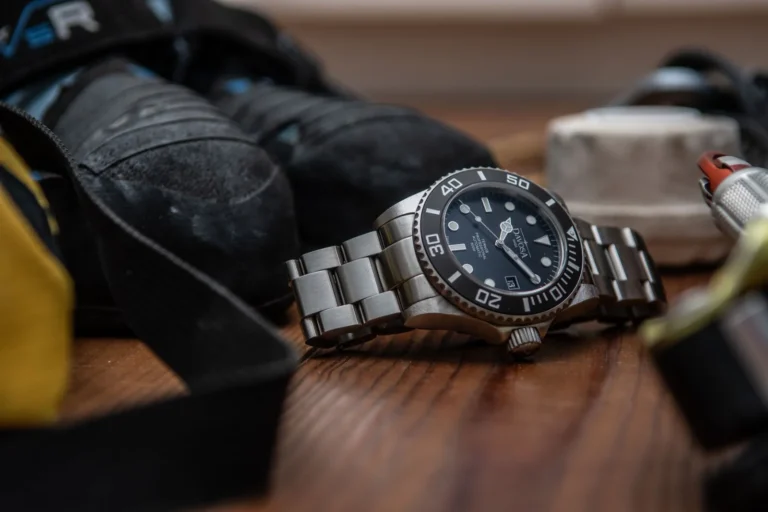
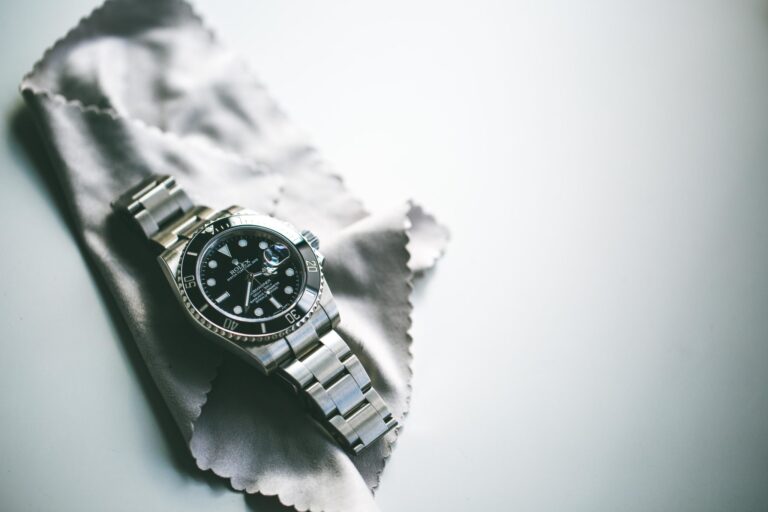
When you look closely at a mechanical watch, it’s easy to feel awe. Beneath its polished exterior lies a world of intricate balance gears, springs, and jewels all moving in perfect harmony. Each component, no matter how small, plays a role in maintaining precision. It’s a masterpiece of human ingenuity, created not by automation but by patience and skill. The craftsmanship of a fine watch is a quiet rebellion against the disposable nature of modern life.
A watch, in its own way, becomes a diary of experience. The faded strap might recall summer adventures; the tiny scratch on the bezel could remind you of a moment that mattered a first job, a graduation, a new beginning. Watches carry memories, just like photographs, but in silence. They don’t tell your story out loud; they tick it softly into time.
There’s also something grounding about using a watch in today’s world of constant distractions. Checking the time on your wrist feels intentional. It doesn’t pull you into a spiral of notifications or tempt you to scroll endlessly. It simply tells you the truth: this is your moment. Right now. And once it passes, you won’t get it back.
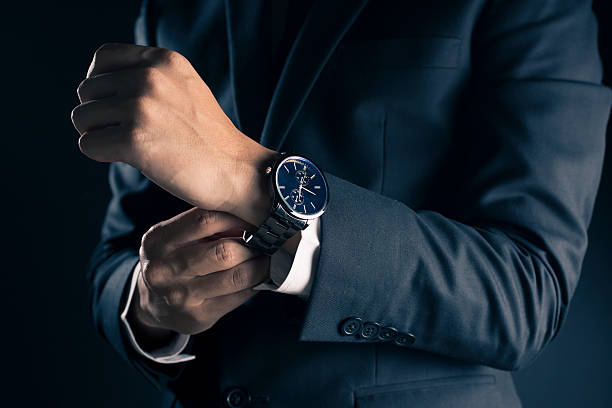
Watches are also powerful symbols. In business, a watch speaks of discipline and respect an understanding that time, once gone, cannot be reclaimed. In fashion, it expresses individuality and taste. For some, it’s a statement of sophistication; for others, a sentimental treasure. A vintage watch can connect generations, carrying stories from one wrist to another.
And then there’s the emotional connection that unexplainable feeling when you wear a watch that feels right. It could be the way it fits, the sound of its ticking, or the gleam of the dial under sunlight. It becomes part of you, almost like a heartbeat outside your body. That’s the beauty of a watch it transforms time into something you can feel.
In an age where everything is fast and fleeting, watches remind us of the beauty of patience. They teach us to appreciate the slow, deliberate movement of the second hand the rhythm of life itself. While trends fade and technology changes, the essence of the watch remains eternal. It continues to tell stories not just of time, but of humanity’s enduring relationship with it.
Because, at its heart, a watch isn’t just a way to measure hours. It’s a symbol of life unfolding of choices made, paths taken, and dreams in motion. Each tick is a heartbeat of the universe, a reminder that every moment counts.
So, as you glance at your wrist, think beyond the numbers and dials. Think of the seconds you’re living, the memories you’re creating, and the stories your watch will carry long after today is gone.
Time never stops but with a watch, you can hold a piece of it close. ⏳