
Historic Style: The Everlasting Desire of Timepieces
A watch is a representation of fashion, artistry, and individuality in addition to being a device for telling the time. Watches have evolved beyond their original function to become an integral aspect of human culture, from the ticking of a vintage analog watch to the sleek precision of a contemporary smartwatch. Through the art of timekeeping, they mark events, tell tales, and bridge generations.
The fascination with watches dates back centuries, beginning with the earliest sundials and water clocks. Over time, as technology advanced, so did our ability to measure time with greater accuracy. The first pocket watches of the 16th century were prized possessions, often passed down as heirlooms and worn as statements of sophistication. When wristwatches emerged in the early 20th century, they revolutionized how people interacted with time combining practicality with personal style. Today, a watch is not only a convenient accessory but also a powerful reflection of one’s identity.
Each watch carries its own story. Mechanical watches, for instance, embody the beauty of engineering. Every gear, spring, and jewel inside is crafted with precision, working together in perfect harmony. To watch enthusiasts, the intricate movement inside a watch is a piece of art a dance of mechanics that represents patience, dedication, and skill. It’s a celebration of human ingenuity, reminding us that even in a digital age, the mastery of craftsmanship remains timeless.
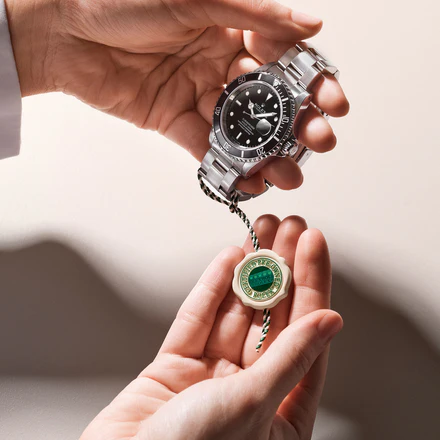
Luxury watches, with their gleaming metals and sapphire crystals, are often seen as symbols of success and prestige. Brands like Rolex, Omega, and Patek Philippe have built legacies on quality and heritage, making their timepieces objects of desire for collectors around the world. But beyond their price tags and prestige, these watches hold emotional value. They often commemorate milestones graduations, weddings, achievements, and anniversaries becoming silent witnesses to the wearer’s journey through life.
On the other hand, the rise of smartwatches has transformed the watch industry in recent years. These modern marvels blend technology with tradition, offering fitness tracking, notifications, and connectivity at the flick of a wrist. Yet even with all their digital advantages, smartwatches still retain the essence of what makes a timepiece special they sit close to the pulse of life, both literally and figuratively.
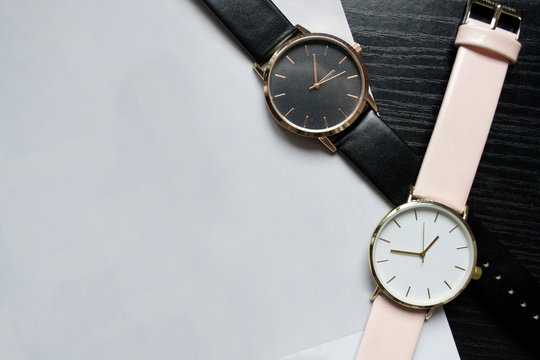
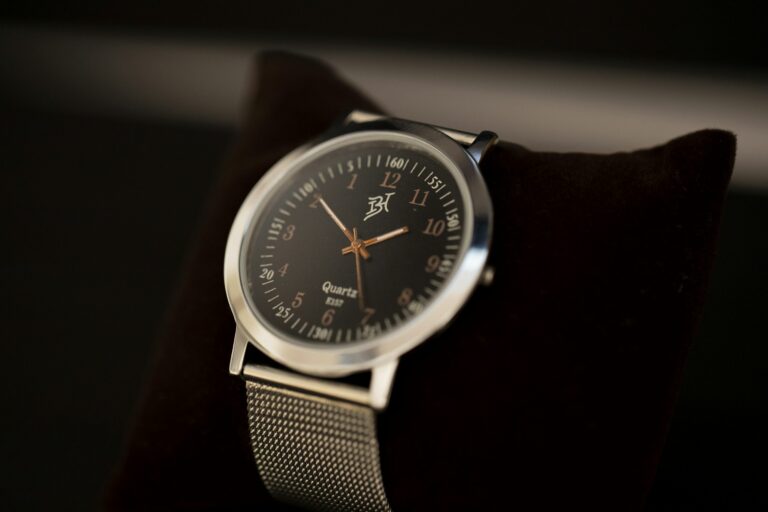
What makes watches so universally beloved is their ability to adapt to every personality and occasion. For the minimalist, a simple leather strap and clean dial speak volumes. For the adventurer, a rugged dive watch stands as a dependable companion through every expedition. For the fashion-forward, a bold, statement-making design turns the wrist into a canvas of creativity. No matter the type, a watch always says something about the person who wears it.
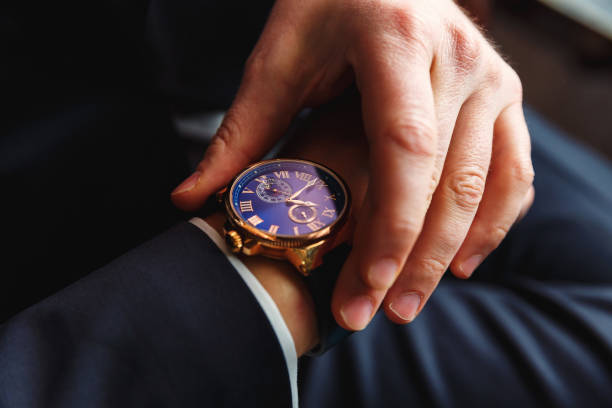
Beyond fashion and function, watches remind us of the value of time itself. In an age where digital screens dominate our lives, glancing at a watch offers a moment of mindfulness. It’s a small, deliberate act turning your wrist to read the hour that reconnects you with the rhythm of your day. It reminds you that every second counts, and that time, once passed, can never be regained.
The enduring charm of watches lies in their ability to bridge past and future. They combine tradition with innovation, craftsmanship with technology, elegance with purpose. Whether powered by gears, quartz, or software, every watch is a testament to humanity’s desire to measure, master, and appreciate the passage of time.
So, the next time you fasten a watch around your wrist, take a moment to listen not just to the ticking within, but to what it represents. It’s the sound of precision, artistry, and history woven together. It’s the heartbeat of time itself.